
It’s A familiar saying: trust your gut. Emerging science now reveals this isn’t just a metaphor. The connection between a healthy gut and your mental health, immune function, and overall well-being is governed by the Gut-Brain Axis (GBA)—a sophisticated, two-way communication superhighway between the digestive system and the brain. At the heart of this axis lies the gut microbiome: trillions of microorganisms whose balance and diversity are crucial to your health
The Two-Way Street: Understanding the Gut-Brain Axis
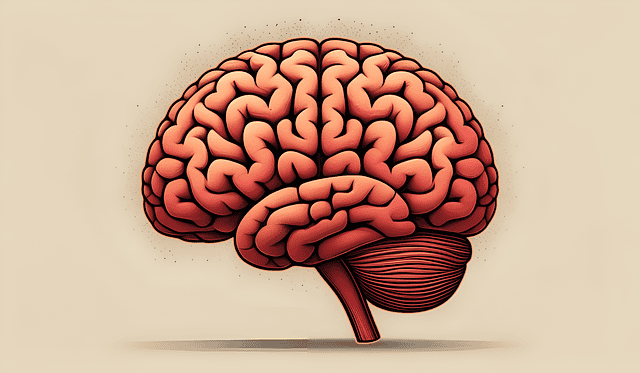
The gut-brain axis connects the brain’s central nervous system (CNS) with the enteric nervous system (ENS), often called the “second brain,” found in the walls of the gastrointestinal tract. Communication happens through several pathways:
The Vagus Nerve
This is the primary physical connection, a vast nerve extending from the brainstem to the abdomen. It rapidly transmits signals, allowing the gut to influence mood, stress response, and cognition, and the brain to affect gut function.
Neurotransmitters
The gut, not the brain, produces up to 95% of the body’s serotonin, a key neurotransmitter for regulating mood and happiness. Gut microbes also produce other brain-influencing chemicals, like GABA, which helps control feelings of fear and anxiety.
Microbial Metabolites (SCFAs)
When gut bacteria ferment dietary fiber, they produce beneficial Short-Chain Fatty Acids (SCFAs) like butyrate, propionate, and acetate. These metabolites are vital. They strengthen the gut lining, serve as the primary energy source for colon cells, and travel through the bloodstream to affect brain function, reduce appetite, and modulate the immune system.
The Immune System: A healthy gut acts as a barrier, preventing harmful substances from entering the bloodstream. Gut dysbiosis (an imbalance of microbes) can cause inflammation that extends beyond the gut, influencing neuroinflammation and contributing to mood disorders like anxiety and depression.
The Diet Connection: Fueling a Diverse MicrobiomeThe diversity of your gut bacterial community is a strong indicator of health, and the easiest way to influence it is through your diet. A highly diverse microbiome is more resilient and better equipped to perform its functions.
The Problem with the Western Diet: A diet high in processed foods, refined sugars, and saturated fats, and low in fiber, can lead to a less diverse and unbalanced microbiome, promoting the growth of potentially harmful bacteria and reducing SCFA production.
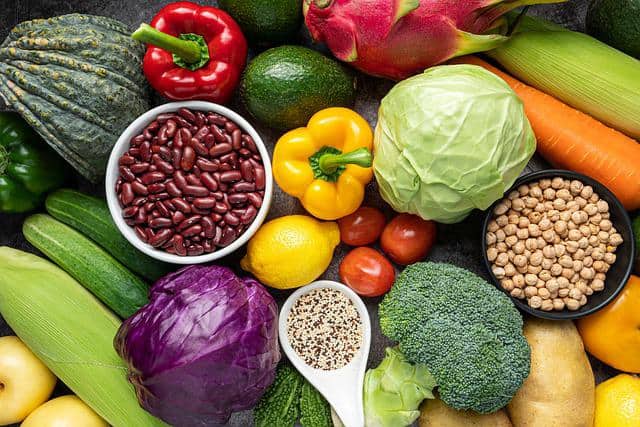
The Power of Plant Diversity: A diet rich in a wide variety of colorful fruits, vegetables, whole grains, nuts, and legumes provides the essential dietary fiber and polyphenols that beneficial gut bacteria thrive on, directly increasing microbial diversity and SCFA production.
The Key Players: Probiotics, Prebiotics, and Fermented Foods
To actively support a healthy gut, attention should be paid to two crucial categories of nutrients and beneficial microbes:
1. Prebiotics (The Fertilizer)
Prebiotics are specialized types of dietary fiber that are non-digestible by human cells but are fermented by beneficial gut bacteria, essentially acting as food for your microbes.
Source:
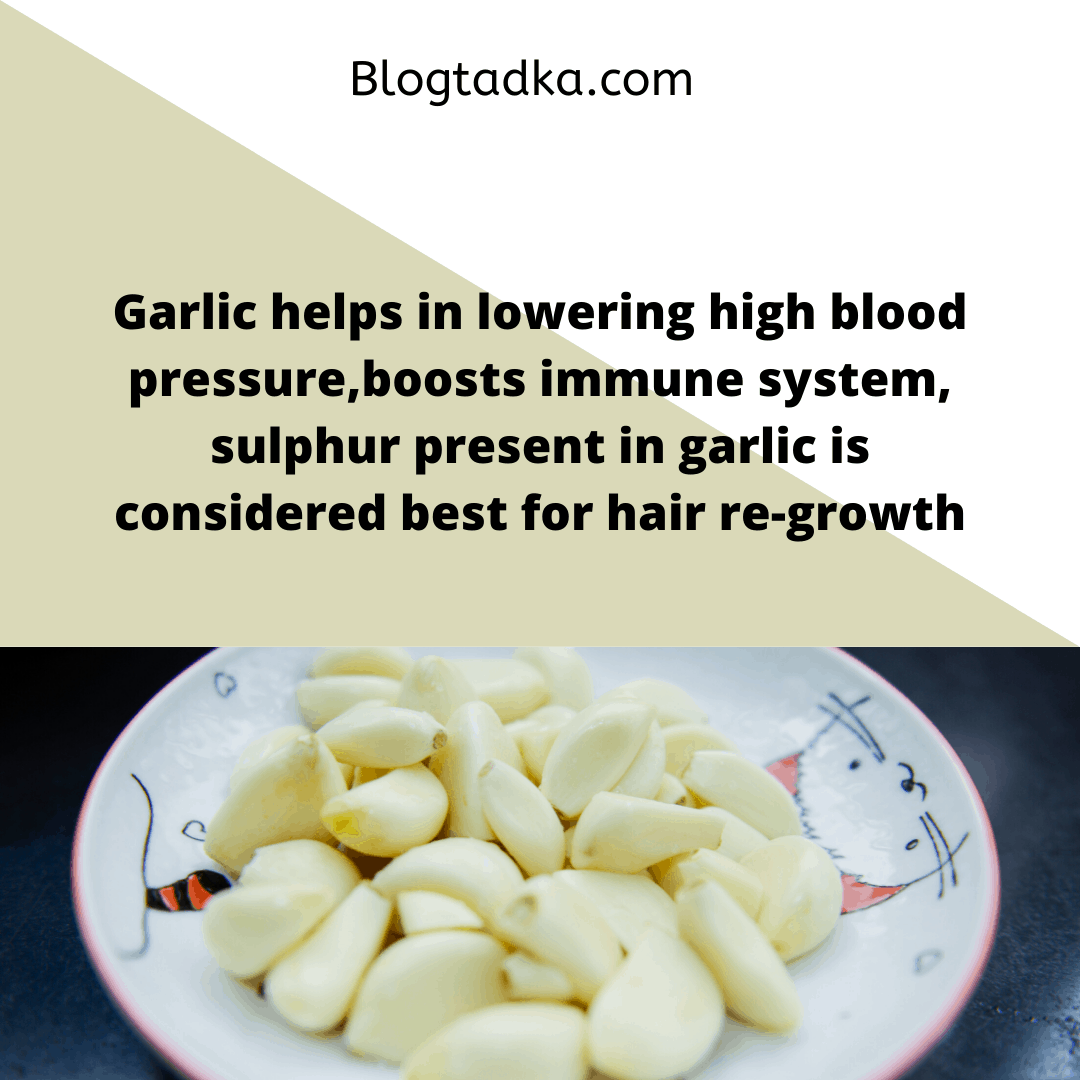
Found in high concentrations in foods like garlic, onions, leeks, asparagus, bananas, oats, and apples.
Action:
They specifically stimulate the growth and activity of health-promoting bacteria, leading to increased production of essential SCFAs.
Probiotics (The Helpful Microbes)
Probiotics are live microorganisms (mostly bacteria and some yeasts) that, when administered in adequate amounts, confer a health benefit on the host.
Source:
Often consumed through fermented foods or supplements.
Action: They help re-stock and diversify the gut community, aid in digestion, and support immune function. Look for foods or supplements containing strains like Lactobacillusand Bifidobacterium.
Fermented Foods (A Natural Source)
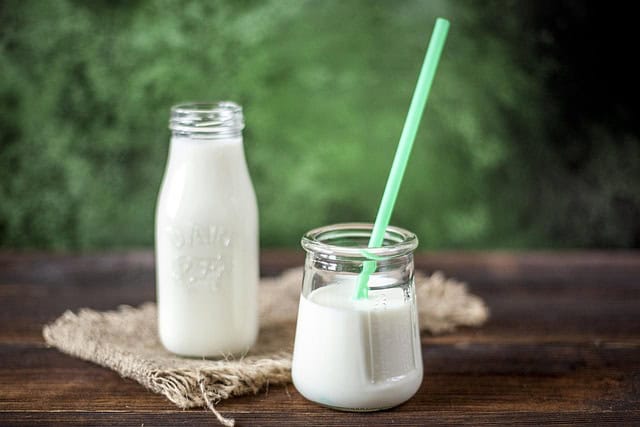
Fermented foods are produced through controlled microbial growth and enzymatic conversion of food components. Many fermented foods are excellent sources of natural probiotics.
Examples:
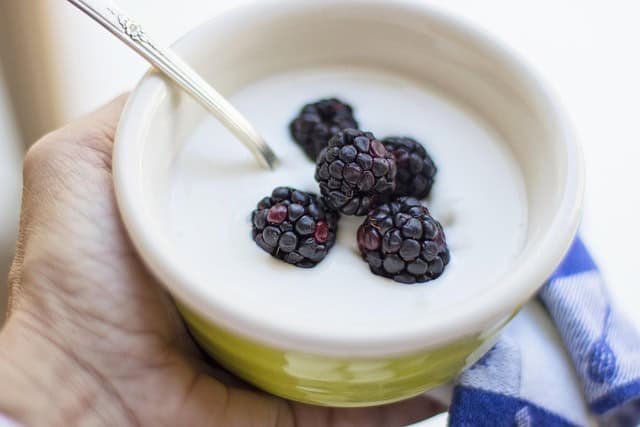
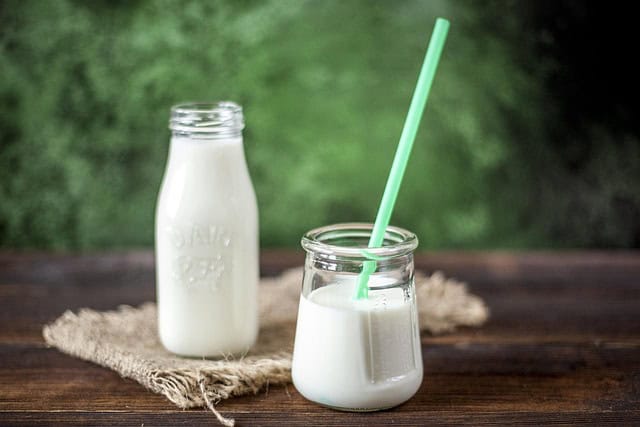
Yogurt and kefir (with “live and active cultures”), sauerkraut, kimchi, kombucha, and tempeh.
Note:
Not all fermented foods contain live cultures (e.g., highly processed pickles or pasteurized products). Always check labels for “live and active cultures” to ensure the probiotic benefits.
By consciously feeding your gut bacteria a diverse, fiber-rich diet and incorporating prebiotics, probiotics, and fermented foods, you’re not just supporting better digestion—you’re nurturing a vital system that directly contributes to a stronger immune system, a more stable mood, and overall vitality. Investing in your gut health is truly an investment in your whole self.